24/7 Emergency Restoration and Odor Elimination: When Fast Response Can Matter
When a pipe bursts at midnight, a kitchen fire leaves soot in the air, or stormwater pushes its way under a door, the clock starts immediately. Damage does not wait for business hours. In Central Florida, that matters even more because heat and humidity can turn a bad situation into a much larger one in a surprisingly short window.
People often think of restoration as the visible repair work, the torn drywall, the wet carpet, the blackened cabinet faces. In practice, the first phase is usually more urgent and less obvious. It is about controlling moisture, limiting contamination, protecting unaffected areas, and figuring out what can be saved before conditions worsen. That is where 24/7 emergency restoration earns its value.
A fast response is not about drama. It is about physics, health, and cost. Water migrates. Humidity rises. Soot spreads. Odors settle into porous materials. In some properties, hidden risks like damaged asbestos-containing materials or HVAC mold complicate the picture. What starts as a single event can branch into several separate problems if the response is slow or poorly planned.
Why the first day can shape the whole project
The first 24 hours after water intrusion are often the most important. Florida health guidance makes a key point that anyone in restoration learns early: mold is strongly linked to moisture, and even 24 hours of standing water can allow common molds to take hold. That is not an abstract warning. In a humid region, trapped moisture in baseboards, cabinets, insulation, and flooring systems can quietly feed growth before a homeowner even notices a smell.
That is why water damage restoration Central Florida work usually begins with stabilization, not cosmetic cleanup. Technicians need to identify where water traveled, remove standing water if present, start drying, and reduce the humidity load in the building. Drying a home and removing water-damaged items is one of the most important steps after flooding if you want to prevent mold damage from taking over.

A quick example shows how this plays out. A small supply line leak behind a refrigerator may look minor once the floor is mopped up. But if water slipped beneath vinyl, wicked into the wall base, and sat overnight in a closed-up house, the real problem may be behind the finish materials. By the time the room looks dry again, the wall cavity may not be.
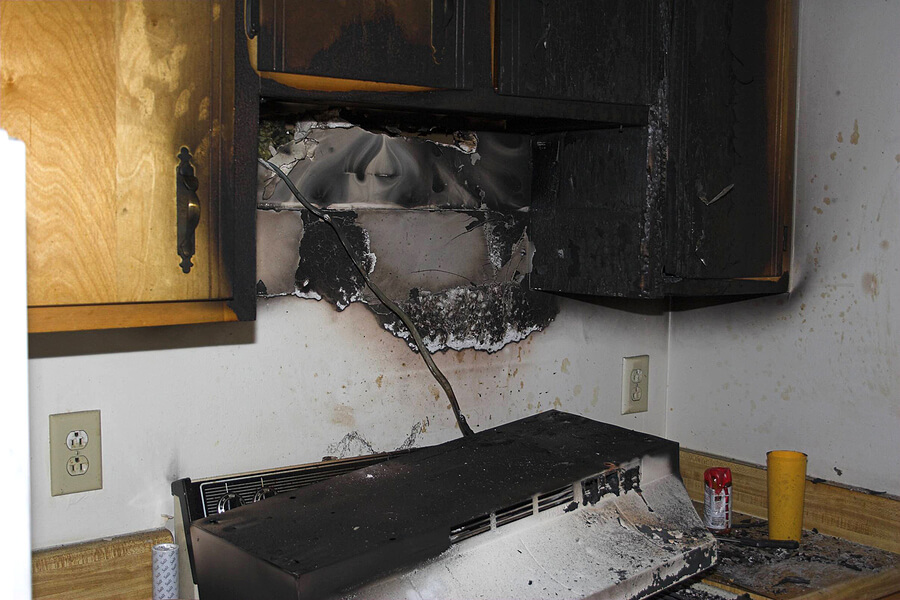
Speed also matters after fire damage restoration work begins. Smoke residues can continue to spread through air movement and routine foot traffic. Odors bond to textiles, unfinished wood, insulation, and dust inside ductwork. If soot and residues are not addressed correctly, a property can end up clean-looking but still unpleasant to live in.
Emergency response is not just for floods and fires
Most people connect urgent restoration with major disasters, but many emergency calls are less dramatic and no less important. A toilet overflow in an upstairs bath can affect ceilings, light fixtures, and insulation below. A refrigerator ice line can leak for days before anyone notices. A roof failure during a heavy Florida storm can push rain into attic insulation and down interior walls. Even a small fire limited to a stovetop can leave smoke and odor throughout nearby rooms.
There are also situations where the hazard is not ordinary debris or clean water. Biohazard cleanup requires a different level of care because the issue is not just moisture or staining. The materials, the affected surfaces, and the cleanup process all require stricter handling. Fast containment matters there too, both for safety and to keep contamination from spreading.
Storm damage restoration Florida crews also see a familiar pattern after severe weather. A property owner handles the obvious mess first, then discovers several days later that water entered around windows, pooled in low spots, or soaked materials in a garage or storage area. By then, the visible storm debris may be gone, but the harder part is just beginning.
What good emergency restoration looks like
The best emergency response feels calm, methodical, and almost boring, which is exactly what you want. Restoration should not be improvised. It should move in a logical order based on the type of loss, what materials were affected, and what risks are present.
IICRC-certified remediation is a phrase property owners see often, and it matters for a reason. The IICRC publishes standards relevant to water damage restoration, mold remediation, HVAC assessment after water, fire, or mold damage, and fire and smoke restoration. That does not mean every job is identical or that every standard gives a one-size-fits-all answer. It does mean competent work should be guided by recognized procedures rather than guesswork.
In practical terms, a solid emergency response usually includes a clear assessment, immediate steps to limit secondary damage, moisture or contamination control, and a plan for what happens next. It also includes honest communication. If something needs to be opened up, removed, isolated, or evaluated further, the homeowner should hear that plainly.
There is a big difference between a fast response and a rushed one. Fast is getting there, identifying the real scope, and starting the right controls early. Rushed is tearing out materials before understanding where the damage stops, or spraying over odors without removing the source. One saves time. The other usually wastes it.
Odor elimination is not the same as making a room smell better
Odor elimination is one of the most misunderstood parts of restoration. Many people have had the experience of walking into a damaged home and noticing a strong deodorizer. That smell can create the impression that the problem is handled, but fragrance is not restoration.
Persistent odors usually mean one of three things. The source is still present, residues remain in porous materials, or hidden areas were missed. Smoke odor, for example, can cling to insulation, soft furnishings, unfinished framing, and dust in the HVAC system. Musty odor can point to ongoing moisture. Sewage-related odor can indicate contamination or incomplete cleaning. Dead-air smells in a formerly flooded room often come from trapped dampness, not from the room air itself.
Real odor elimination starts with identifying the source category. Fire damage restoration creates one pattern of residues. Water losses can create another. Biohazard cleanup raises different concerns altogether. If the cause is not understood, treatment tends to be cosmetic and temporary.
This is also where experience shows up in small decisions. A room that still smells after drying may not need aggressive demolition, but it may need selective removal of unsalvageable porous materials. On the other hand, a sharp smoke odor after a contained cooking fire may be solved only when the technician follows the migration path beyond the kitchen, including return air pathways and overlooked fabrics in adjacent rooms.
Florida humidity changes the timeline
In a dry climate, some minor water events buy you more time. Central Florida is rarely that forgiving. State health guidance stresses keeping indoor humidity below 60 percent. If a property cannot stay under that level without extra help, the air conditioning system may need to be examined for problems. That is a crucial point because many moisture issues blamed on a single leak are really made worse by an HVAC system that is not controlling humidity properly.
I have seen buildings where the visible damage from a leak was limited, yet the indoor environment stayed damp for days because the system was not moving or conditioning air the way it should. The result was not dramatic puddling. It was that sticky indoor feel, the faint odor in closets, and gradual microbial growth around supply registers or inside utility areas.
HVAC mold concerns often show up in that gray area. People smell something stale when the air kicks on, or they notice dark buildup around vents and assume the duct system is the sole cause. Sometimes the HVAC system is involved. Sometimes it is circulating signs of a bigger building moisture problem. Florida health guidance notes that if HVAC may be contaminated with mold, homeowners should consult EPA guidance before taking further action. That caution is sensible because careless cleaning or disturbance can spread contaminants rather than solve them.
The same guidance also notes that if the central HVAC system needs a dehumidifier to get below 60 percent relative humidity, the air conditioning system should be examined for problems. That is a useful checkpoint for homes in humid counties like Lake, Orange, Seminole, and Osceola, where moisture management is not optional, it is basic building maintenance.
Mold is a moisture problem first
People often call asking whether they need mold remediation Lake County services because they can see spotting on a wall or catch a musty smell in one bedroom. The question sounds simple, but the answer usually begins with moisture. Florida health guidance is very clear that mold should be removed promptly, and if it comes back quickly, the underlying leak or moisture source should be fixed first.
That order matters. Cleaning visible growth without correcting the cause is a short-term win at best. If the wall cavity is still wet, if the shower plumbing is still dripping, if outdoor moisture is still entering through a failed seal, mold can return quickly. Homeowners then feel like restoration did not work, when the real issue is that remediation and moisture correction are two parts of the same job.
A careful contractor will usually talk through both sides of the problem. What needs to be cleaned or removed? What allowed the condition to develop? Sometimes the answer is obvious, such as a roof leak after a storm. Sometimes it is less direct, like chronic indoor humidity, poor ventilation, or an HVAC issue that prevents proper dehumidification.
When damaged materials raise asbestos concerns
Emergency restoration can uncover older building materials that should not be handled casually. EPA guidance notes that asbestos may be found in older homes and buildings, and that renovation or damage to materials such as floor tile, ceiling tile, pipe wrap, siding, or shingles can disturb it. That matters after water, fire, and storm events because those losses often crack, loosen, or expose materials that had been undisturbed for years.
In Florida, the asbestos program exists to minimize the release of asbestos fibers during abatement, remediation, handling, and disposal of asbestos-containing materials. For a property owner, the practical takeaway is simple. If a damaged material is suspected to contain asbestos, or if restoration work could disturb it, a properly trained and accredited asbestos professional should be involved.
That is where a phrase like asbestos abatement Groveland FL becomes more than local search language. In an older property in Groveland or elsewhere in Lake County, an emergency response team may need to pause part of the project until suspect materials are properly evaluated. That can be frustrating when someone wants immediate demolition and drying everywhere, but it is the right call. Fast response does not mean reckless response.
This is especially relevant in Central Florida because the state’s Central District asbestos oversight legitimately includes counties such as Lake, Orange, Seminole, and Osceola. A contractor working across that area should understand when a routine tear-out is no longer routine.
The hidden cost of waiting
Delays often start with good intentions. A homeowner thinks the carpet will dry on its own. A landlord wants to see if the smell fades. A business owner hopes the stain on the ceiling is from an old event and not an active one. Sometimes that optimism works out. Often it does not.
The cost of waiting is rarely just one thing. It can mean more material removal, a longer drying period, stronger odor penetration, and a higher chance that unaffected rooms become involved through air movement or humidity. It can also mean the difference between a straightforward cleanup and a more controlled remediation scope.
Here are a few moments when calling for help quickly tends view page to pay off:
- Water has been present for more than a few hours and you cannot confirm that all affected materials are drying.
- A musty, smoky, or sewage-related odor remains after surface cleaning.
- Stormwater, floodwater, or contaminated water entered the property.
- You suspect the HVAC system may be involved in spreading odor or moisture.
- Older materials were damaged and could be disturbed during cleanup.
That list is not about panic. It is about knowing when the job has moved beyond towels, fans, and household cleaners.
What homeowners can do in the meantime
There is a narrow window between discovering damage and getting qualified help on site. During that time, a few sensible actions can reduce secondary damage without making the scene harder to assess.
If it is safe, stop the source of water. Move contents away from active wet areas. Improve airflow if weather and security allow. Avoid running the HVAC system if there is reason to think it is drawing in smoke, moisture, or contamination from damaged areas. Most important, resist the urge to scrub, spray, or tear out everything in sight. Well-meaning cleanup can spread residues, embed odors, and complicate later evaluation, especially if the loss involves contamination or suspect building materials.
One thing I tell people often is this: your nose is useful, but it is not a full inspection tool. If a room no longer smells damp, that does not guarantee hidden assemblies are dry. If smoke odor seems gone in the afternoon, it may return when indoor conditions shift. Moisture and odor both have a habit of hiding in materials that look perfectly normal from the surface.
The judgment calls that separate average work from good work
Restoration is full of decisions that do not show up on a brochure. Can this cabinet toe-kick be dried in place, or is it trapping moisture? Is that soft odor coming from the room contents, the padding below the carpet, or the return side of the HVAC system? Is a stained ceiling simply cosmetic now, or is it still wet above? Does the visible mold represent an isolated event, or does it point to a broader moisture pattern?
That is why emergency response should not be measured only by arrival time. Two companies can show up equally fast and handle the same loss very differently. The better one asks better questions, documents conditions carefully, and explains trade-offs clearly.
Sometimes preserving materials is reasonable and saves money. Sometimes selective removal is the cleaner path. Sometimes the problem everyone can see is not the most urgent one. The wet drywall may be obvious, but the damp insulation above it or the lingering humidity throughout the house may be the real driver of damage. Good technicians think in systems, not just surfaces.
After the emergency, the goal is a normal building again
People rarely call for restoration because they want a fascinating technical process. They call because they want their home, office, or rental to feel normal again. Dry. Clean. Safe. Odor-free. That sounds simple, but the path there depends on getting the early decisions right.
A proper emergency response does more than limit visible damage. It reduces the chance that a water event becomes mold remediation Lake County work a week later. It reduces the chance that a contained fire becomes a whole-house odor problem. It reduces the chance that storm damage restoration Florida projects drag on because hidden moisture was ignored at the start. It reduces the chance that suspect older materials are disturbed without the right asbestos oversight.
The common thread is not panic. It is timing paired with judgment. A prompt, professional response gives you options. It lets drying start sooner, contamination stay more contained, and odor elimination target the source instead of the symptom. In humid parts of Florida, where moisture and airflow can magnify every small oversight, that can make a very real difference.
When damage happens after hours, on a weekend, or in the middle of a storm, 24/7 emergency restoration is not just a convenience. It can be the point where a manageable loss stays manageable.
Corrections
Spot something wrong? Send it to the desk and it gets fixed in the open.