From Emergency Restoration Services to Repairs: Understanding the Water Damage Recovery Process
Water damage rarely stays simple for long. A supply line leaks behind a wall, a washing machine hose bursts while no one is home, or a summer storm pushes rain where it should never go. In Central Florida, the situation can escalate quickly because heat and humidity speed up what happens next. Drywall softens, flooring swells, cabinets wick moisture, and within a short window the conversation shifts from cleanup to contamination, reconstruction, and insurance questions.
That is why the recovery process matters so much. People often assume restoration is one job, but in practice it is a chain of decisions. The emergency response is about stabilizing the property and reducing further damage. The repair phase is different. Repairs begin after the property is dry enough, safe enough, and understood well enough that rebuilding makes sense. If those phases blur together too soon, hidden moisture and recurring mold problems are common.
In places like Groveland and the wider Lake County area, that distinction matters even more. Humid summers, heavy rains, and hurricane season create the kind of moisture pressure that exposes weak spots in roofs, windows, plumbing, and HVAC systems. A solid remediation company Lake County homeowners trust should be able to explain not only how to remove water, but why certain materials are saved, why others are discarded, and when specialized testing or abatement enters the picture.
The first hours set the tone for everything that follows
The first stage after a water event is not glamorous. It is about safety, access, and slowing the loss. If the property has been hit by flooding, storm surge, or a sewer backup, reentry is not just a matter of opening the front door and getting to work. Flooded homes can contain mold, sewage, and other contamination concerns. Utilities may also be unsafe. After storms, fires, or flooding, homeowners are usually best served by pausing long enough to document damage and coordinate with the insurer before major disposal starts, unless immediate action is needed to protect health or prevent additional loss.
A lot of confusion comes from the term emergency restoration services. Homeowners sometimes hear it and picture a full repair crew arriving with drywall, paint, and trim. In reality, the emergency part usually means immediate mitigation. Think water extraction, temporary containment, moisture checks, and removal of materials that cannot reasonably be dried or sanitized. The point is to stabilize the site, not finish it.
There is a practical reason seasoned crews move this way. If you start repairs before the structure is properly evaluated and dried, you can trap moisture behind new materials. That can create a second, more stubborn problem that shows up later as staining, odor, or mold growth.
What emergency water mitigation usually involves
The actual response depends on where the water came from and how long it sat. A clean supply-line leak in a laundry room is one kind of project. Storm flooding or sewage cleanup is another entirely. Water that enters from outdoors, especially after a hurricane or flood, may carry contaminants and may affect more materials than homeowners realize at first glance.
A careful response generally includes:
- Securing the site and checking immediate safety concerns, including utility issues where appropriate
- Documenting visible damage for the owner and insurer
- Extracting standing water and removing materials that are too saturated or contaminated to save
- Setting up drying and humidity control equipment, then monitoring progress
- Isolating affected zones when contamination, mold, or sewage is involved
That list looks straightforward on paper. In the field, each step involves judgment. A soaked baseboard might look minor but hide a wet wall cavity. A tile floor may appear unaffected while the sublayers hold moisture. A garage that took in stormwater may also expose nearby contents to contamination. The best crews are methodical because surprises are expensive later.
In Central Florida, humidity control deserves special attention. Moisture is not only what you can see on the floor. It is also what lingers in framing, insulation, wall cavities, and indoor air. Florida health guidance has long emphasized that mold grows when moisture is present, and common causes include roof leaks, plumbing leaks, condensation, flooding, poor bathroom or kitchen ventilation, and HVAC or drain-pan problems. Lowering indoor humidity is part of the job, but if a central AC system is being relied on to keep humidity below 60 percent, that system should be examined for underlying problems. Otherwise, the building may look dry while still behaving like a damp environment.
Drying is not the same as looking dry
This is one of the hardest things for property owners to accept. A room can look normal before it is truly dry. Carpets may feel only slightly damp while the pad underneath is saturated. Cabinets can seem intact but hold moisture at the base. Walls often dry unevenly, especially if insulation is present.
Professionals usually separate visible cleanup from structural drying for that reason. Water damage cleanup Central Florida properties need often includes dehumidification and moisture monitoring over several days, not just a one-time extraction. The timeline depends on material type, temperature, humidity, and how long the water sat. Dense materials and concealed spaces typically take longer.
This stage also affects cost and scope. If the drying goal is realistic and the materials respond well, fewer repairs may be needed. If drying reveals delamination, warping, microbial growth, or contamination that cannot be safely cleaned, demolition expands. That is not necessarily a failure. Sometimes discovering the true extent early is what prevents a partial repair from becoming a repeat loss six months later.
When water damage turns into a mold job
In Florida, mold is rarely far behind unmanaged moisture. People often think mold is a separate issue, but in many homes it is simply the next chapter in a water loss. The visible growth is not the root problem. The moisture source is.
That point is backed by Florida health guidance. Visible mold or recurring mold usually means the underlying moisture source still has not been corrected. I have seen this play out in properties where someone cleaned the surface, repainted, and felt relieved for a month or two. Then the odor came back because the real problem was a roof leak, a sweating duct, a clogged HVAC drain, or a wet wall cavity that never dried.
In Groveland, mold complaints often follow patterns that make sense for the climate. A roof leak during storm season goes unnoticed in the attic. A bathroom fan is weak or never used. Condensation forms around an HVAC issue. A drain pan problem adds moisture over time. In those cases, mold removal Groveland homeowners ask for should never be treated as a cosmetic service. The moisture source and the affected materials both matter.
This is also where licensing and scope matter. In Florida, mold assessor and mold remediator licensure is handled by the Florida Department of Business and Professional Regulation. Homeowners do not need to become legal experts overnight, but they should understand that mold work is not just a handyman task when the issue is substantial or recurring.
HVAC can quietly spread a moisture problem
Some of the most frustrating jobs are the ones where the main living areas seem dry, but the HVAC system has been pulling contaminated air or holding moisture. Florida guidance specifically notes HVAC and drain-pan problems as common sources of mold. When that happens, the system is no longer just comfort equipment. It becomes part of the restoration scope.
HVAC mold remediation requires a calm, fact-based approach. Not every dusty vent means mold, and not every musty smell starts in the ducts. But when an air handler, drain pan, or related component is contributing moisture, the system needs to be examined as part of the overall correction. Otherwise, the home may continue cycling humid air, and efforts in the surrounding rooms will not hold.
I have seen owners spend money on painting and flooring only to keep smelling the same stale odor because the HVAC issue was skipped. It is one of those edge cases that does not feel urgent on day one, but it can undermine the whole project if ignored.
Sewage, storm flooding, and category shifts in the real world
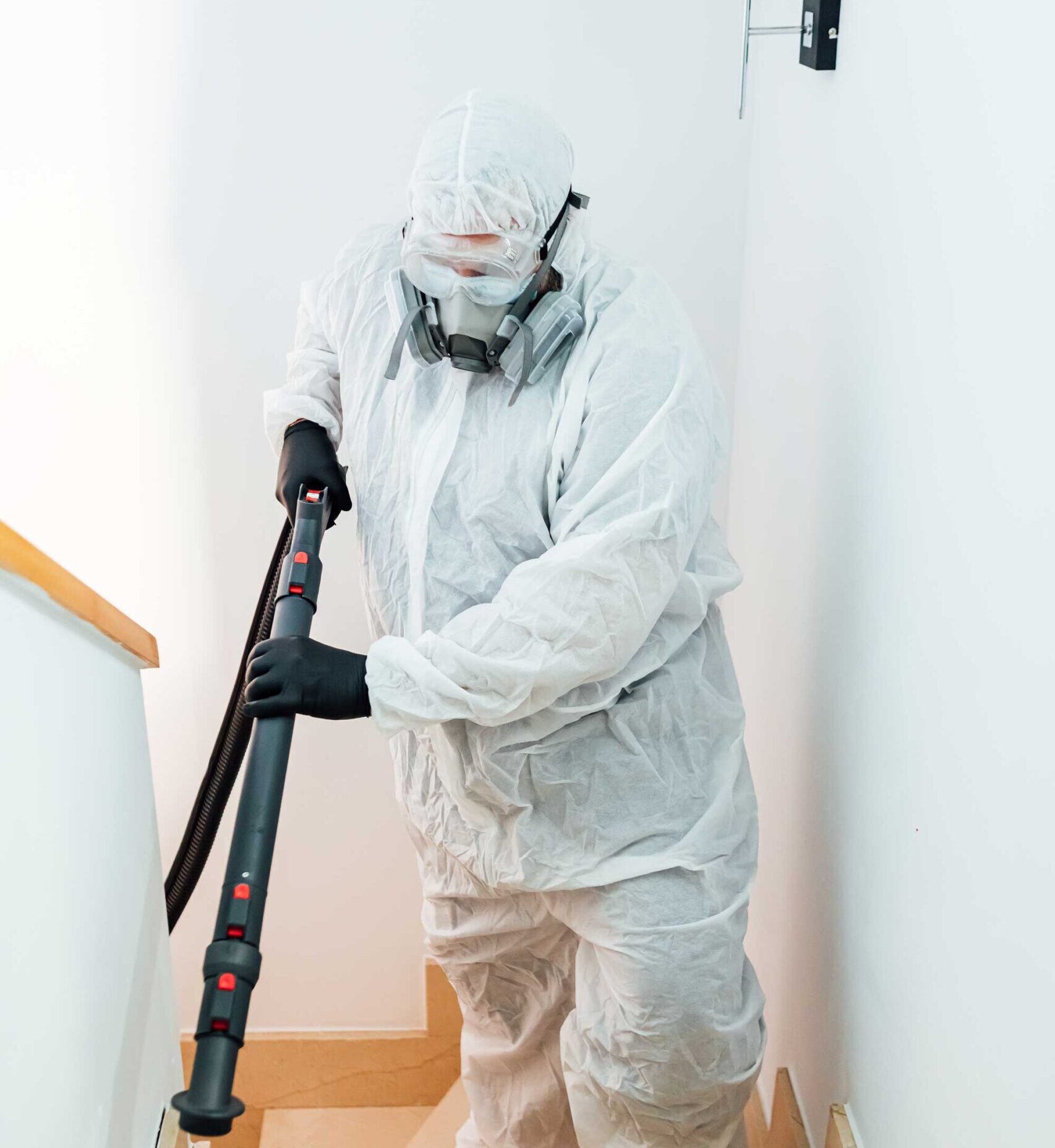
Not all water losses carry the same health risk. That matters because it affects what can be cleaned, what should be discarded, and how workers should protect themselves. Sewage cleanup, in particular, is not an area for improvisation. CDC guidance makes clear that sewage backups can create health hazards and that affected areas should be isolated during cleanup, with protective precautions in place.
This distinction also matters after hurricanes and flood events. Hurricane damage restoration Florida properties require often combines several problems at once: water intrusion, wind-driven rain, debris, power interruption, and contamination from outdoor water. A room that took in a little rain through a window is one thing. A home with standing floodwater is another. Materials exposed to flood or storm water may not be salvageable in the same way as materials affected by a clean indoor leak.
Food safety changes too. After flood or storm exposure, food that has come into contact with flood or storm water should be thrown away. That can be frustrating for families trying to recover quickly, but it is a basic health precaution.
Generators also deserve a plain warning. After storms, people are tired, hot, and trying to save refrigerated food or run drying equipment. CDC guidance warns that generators carry fire and carbon-monoxide risks. That is not a side issue. A bad generator setup can turn a property emergency into a medical emergency.
Repairs begin only after the loss is understood
Repairs are where homeowners often feel relief because the property starts looking like home again. But the best repair phase starts later than many people expect. Before rebuilding begins, the restoration side should have answered the important questions. Is the moisture source fixed? Are humidity conditions under control? Have contaminated materials been removed where needed? Is there hidden damage in flooring, wall cavities, insulation, or cabinetry? Does any part of the job raise concerns about hazardous materials in an older home?
That last point becomes especially important in older properties. EPA guidance notes that homes built before 1978 may contain lead-based paint, and renovation, repair, or painting can disturb hazardous materials. EPA asbestos guidance also makes clear that demolition or renovation work involving asbestos-containing materials must be handled under applicable rules. For homeowners in older buildings, that means reconstruction after water damage sometimes requires a pause before opening walls, removing old flooring, or replacing certain finishes.
In practical terms, a straightforward dry-out can become a more specialized project. A crew may uncover suspect materials during demolition. At that point, services such as Groveland FL asbestos testing or asbestos abatement Lake County work may become part of the path forward, depending on what is found and what rules apply. That is not fearmongering. It is part of doing the job responsibly when age and construction history raise reasonable questions.
Insurance decisions are easier when the story is documented early
Claims are rarely enjoyable, but they are easier when the damage timeline is clear. FEMA recovery guidance emphasizes documenting damage and coordinating with your insurer during cleanup and repairs after flood, storm, smoke, or fire events. The same common-sense rule applies across many losses: the more organized the record, the less guesswork later.
That does not mean turning the house into a legal file cabinet. It means taking photos before disposal when possible, saving major invoices, noting when the problem was discovered, and asking questions about coverage instead of assuming the answer. The NAIC reminds consumers that homeowners insurance is a legal contract and that homeowners should understand coverage and keep an inventory to help with claims. That is useful long before a disaster, but it becomes urgent once one occurs.
A surprising number of disputes come down to sequence. If emergency work starts immediately for health or safety reasons, that is one thing. If someone tears out half the house before documenting what happened, the story gets harder to follow. Experienced restoration contractors understand this tension. They know the property needs quick action, but they also know the owner needs a clean record of what was found and why certain decisions were made.
Water damage does not always stay a water-only claim
One reason restoration companies often handle multiple service lines is that losses overlap. A storm that drives rain into a property may also damage roofing, insulation, and contents. A flood can bring contamination and odor issues. A fire can be followed by water damage from suppression efforts. Once smoke and moisture mingle, materials can hold stubborn smells that simple cleaning will not solve.
That is why companies that provide fire and smoke damage cleanup often approach odor removal with the same discipline used in water losses. Odor is not just an inconvenience. It is a clue. If the source remains in porous materials, HVAC components, or hidden cavities, cosmetic fixes rarely hold. Real odor removal depends on finding what is retaining the smell and deciding whether it can be cleaned, sealed, or needs to be replaced.
The first 24 hours after a home fire are especially important for safety checks, salvage decisions, and getting recovery steps started. While that is a different kind of emergency than a burst pipe, the logic is familiar: stabilize first, document carefully, then repair only after the affected materials and systems are properly evaluated.
What homeowners can do without making things worse
People want to help, and sometimes they should. Moving valuables away from wet areas, taking photos, and notifying the insurer are sensible steps. But there is a point where do-it-yourself effort begins to interfere with recovery, especially if contamination, mold, or hazardous materials may be involved.
The safest homeowner actions are usually these:
- Stop the source if it can be done safely, then avoid affected areas that may contain contamination or utility hazards
- Document visible damage with photos and notes before large items are discarded, if conditions allow
- Remove dry valuables and important papers from the risk area
- Avoid using generators, fans, or HVAC equipment in unsafe ways after storms or flooding
- Ask direct questions about drying goals, contamination concerns, and repair sequencing
That last point matters more than people think. A good contractor should be able to explain, in plain English, whether the home is still in mitigation, already in reconstruction, or waiting on a specialty step such as mold remediation, asbestos review, or insurer approval.
The handoff from mitigation to reconstruction
The handoff between drying and rebuilding is where strong projects separate themselves from chaotic ones. Once the affected structure is stabilized, the remaining work often includes drywall replacement, trim, flooring, paint, cabinetry, and finish carpentry. Some jobs are small and self-contained. Others involve trades moving in phases over several weeks.
The key is sequencing. Rebuild too early and moisture gets trapped. Wait too long and the property sits exposed or inconvenient longer than necessary. Good project management lives in that middle ground. It means the drying results are understood, the cause of loss has been corrected, and any contamination issues have been addressed before new materials go in.
For homeowners, this is also the moment to pay attention to changes in scope. If wall demolition exposed hidden mold, if older materials raised asbestos concerns, or if the HVAC system needs correction to keep humidity under control, the repair plan may shift. That can be frustrating, but it read more is usually better than patching over a problem that will reappear.
Why local climate changes the recovery strategy
Water losses do not recover the same way in every region. In Lake County and across Central Florida, the environment itself works against a sloppy restoration job. Outdoor humidity can be high for long stretches. Heavy rains can delay exterior repairs. Hurricane season can create demand spikes that stress schedules and supply chains. Homes that seem nearly dry can pick up ambient moisture if the envelope is still compromised or the HVAC system is underperforming.
That is why water damage cleanup Central Florida properties need often has to account for more than the visible incident. A contractor may also need to think about ventilation, roof integrity, drainage, and whether the cooling system is actually helping control humidity. The climate does not forgive shortcuts very easily.
A homeowner in Groveland dealing with a recurring musty smell after a storm season may not need a dramatic demolition project. They may need a careful inspection that connects the dots between a minor roof leak, attic moisture, and an HVAC issue. On the other hand, a home that took floodwater after a severe storm may need a much broader response involving contamination controls, disposal decisions, and staged repairs over time. Both are water losses. They just live on very different ends of the spectrum.
The real goal is a stable, healthy building
When people hear restoration, they often think the job is to make the house look normal again. Appearance matters, of course, but it is not the whole goal. The real target is a building that is dry, safe, and stable enough that repairs will last.
That means the emergency restoration services phase has to do more than remove obvious water. It must identify what drove the damage, what contamination may be present, and what systems or materials could cause trouble later. It means mold concerns cannot be separated from moisture control. It means sewage cleanup and flood response should be handled with health risks in mind, not as ordinary housekeeping. It means older homes may need extra caution if repair work could disturb lead-based paint or asbestos-containing materials.
When that process is handled well, the repair phase becomes far less stressful. Homeowners know why materials were removed, what was saved, and what conditions were met before reconstruction started. They also have a cleaner story for the insurer and a better chance of avoiding repeat problems.
That is what a thorough remediation company Lake County residents can rely on should really provide, not just pumps and fans, but judgment. The work starts with water, but good recovery is about understanding the whole chain from emergency response to final repair, and making sure each step earns the next one.
Corrections
Spot something wrong? Send it to the desk and it gets fixed in the open.